
How to cut mobile money transaction fees
Mobile money fees feel tiny but add up to real money each month. Here is how to spot the leak and cut what you pay on M-Pesa, Tigo Pesa and Airtel Money.
5 min read
Published
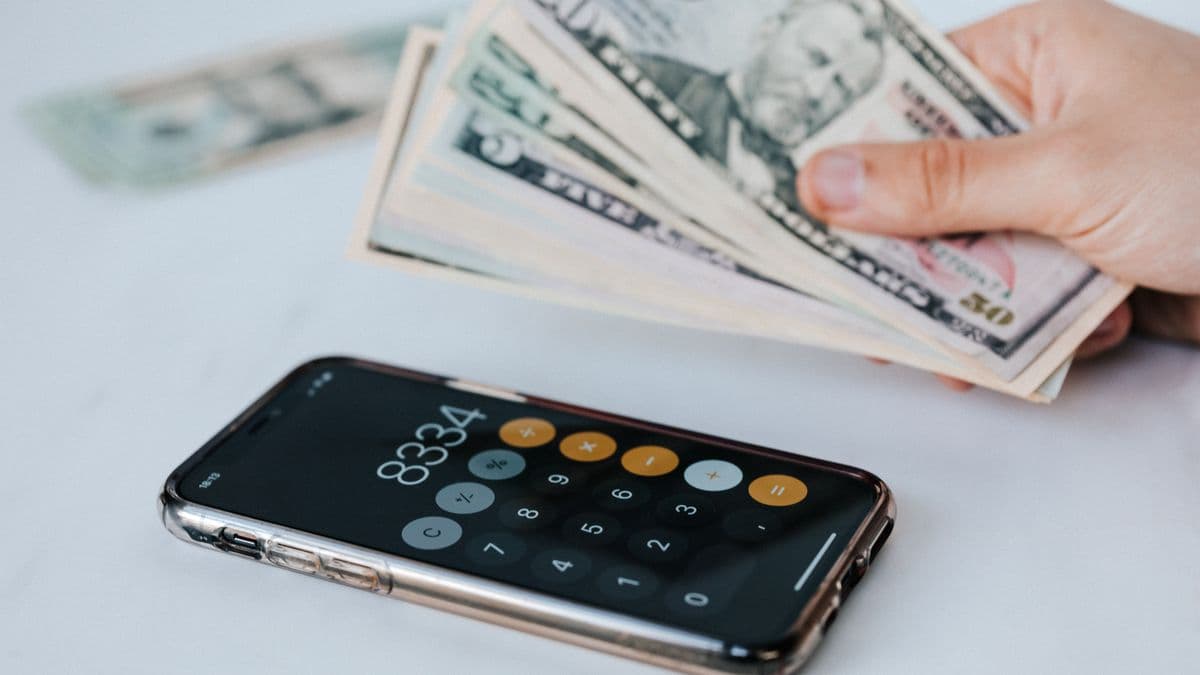
Mobile money fees are the easiest money to lose because each one is too small to notice. A few hundred shillings to send, a bit more to withdraw, a charge to pay a bill — individually nothing. But run them across dozens of transactions a month and they quietly become one of the larger lines in your spending, money you got nothing extra for.
See what you are actually paying
Most people have no idea what they spend on fees, because the charges vanish into each transaction. For one month, treat fees as their own expense and add them up. The total is usually a surprise — and that surprise is exactly the motivation you need to start trimming it.
Send and withdraw less often, in bigger amounts
Because fees are charged per transaction, the single biggest saving is doing fewer, larger transactions instead of many small ones. Rather than withdrawing cash three times a week, withdraw once. Rather than sending money in several small transfers, send it in one. Fewer transactions means fewer fees for exactly the same money moved.
- Batch withdrawals — take out what you need for the week in one go.
- Combine transfers — one larger send instead of several small ones.
- Use free rails — pay merchants directly where it costs less than cash-out-then-pay.
- Plan ahead — last-minute money movement is where extra fees hide.
Keep money where it does not cost to move
Every time money hops between wallets, cash and bank, there is often a fee. The more you can keep money where you will actually use it — and avoid shuffling it back and forth 'just in case' — the less you pay. Decide where money needs to be, move it once, and leave it there.
Timing helps too. Many of the most expensive transactions are the last-minute ones — a rushed withdrawal, an urgent transfer, an emergency top-up — where you pay extra simply because you had no choice. Planning your week's money movements in advance means you move money on your terms, in the cheaper way, instead of reacting and paying for the convenience.
Mtu na Pesa lets you record transaction fees as their own category, so the money you lose to charges becomes visible — and once you can see it, you can shrink it.
Small habit, real money
Cutting mobile money fees will not make you rich, but it is some of the easiest money you will ever save — you give up nothing in return for keeping it. Fewer, larger, better-planned transactions, and less needless shuffling, can quietly hand you back a useful amount every month. Saved fees are simply money you keep.
Frequently asked questions
Why are my mobile money fees so high?
Usually because of the number of transactions, not the amounts. Fees are charged per transfer, withdrawal or payment, so many small movements cost far more in total than a few larger ones. Tracking your fees for a month reveals just how much frequency is costing you.
What is the easiest way to lower mobile money charges?
Do fewer, larger transactions. Batch your withdrawals and combine transfers instead of moving money in lots of small amounts, and avoid shuffling money between wallets unnecessarily. Same money moved, far fewer fees paid.
Should I keep cash to avoid mobile money fees?
Sometimes keeping a planned amount of cash for the week reduces repeated withdrawal fees, but cash has its own risks and makes spending harder to track. The better fix is usually planning your transactions so you move money deliberately and less often, rather than avoiding mobile money altogether.
Turn this into a daily system.
Mtu na Pesa lets you track budgeting, savings, debt, net worth and your Chama — all in one app.

Written by
The Mtu na Pesa editorial team
Personal-finance writers and the product team building money tools for East Africa — clear, practical, and free of jargon.