
How to keep your mobile money safe from fraud
Most mobile money loss comes from tricks, not hacking. Here is how the common scams work and the simple habits that keep your money and your PIN safe.
5 min read
Published
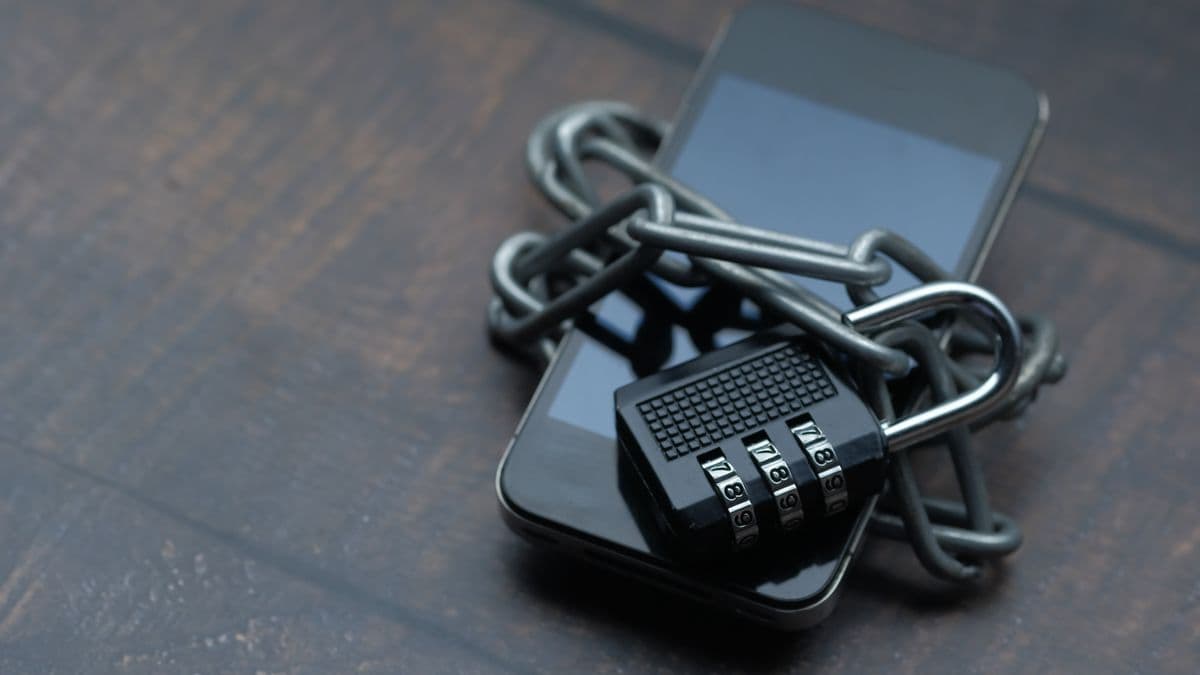
Most money lost through mobile money is not stolen by hackers breaking into systems. It is handed over by people who were tricked — a convincing call, a fake message, a moment of panic or trust. That is good news, because it means a few simple habits protect you from the large majority of fraud.
How the common tricks work
Almost every mobile money scam relies on one of two things: getting your PIN, or getting you to send money yourself. Knowing the patterns makes them easy to spot:
- The fake agent or 'staff' call — someone claims to be from your provider and needs your PIN to 'fix' or 'verify' something.
- The wrong-send trick — a message says money was sent to you by mistake, asking you to send it back; the original was fake.
- The prize or promotion — you have 'won', but must send a fee or share a code to claim it.
- The urgent family emergency — a message pretends to be a relative in trouble needing money fast.
The one rule that stops most of it
No real provider, agent or staff member will ever ask for your PIN — by call, message or in person. Anyone who asks for your PIN is trying to rob you. There are no exceptions.
Your PIN is the single key to your money. Never say it, type it into a link, or share it because someone sounds official or urgent. Urgency is itself a warning sign — scams work by rushing you past the moment you would have stopped to think.
Simple habits that protect you
- Slow down — real situations survive a pause; scams depend on panic.
- Verify independently — call the person or provider back on a number you already trust.
- Never send money to 'reverse' a transfer you did not expect — let the provider handle genuine errors.
- Lock your phone, and protect your money apps with a separate PIN or biometric.
Notice loss faster by watching your money
The sooner you spot something wrong, the better your chances of acting on it. People who keep an eye on their balances and transactions notice an unexpected withdrawal quickly; people who never look can lose money for weeks without realising. Regularly checking your money is itself a security habit.
Mtu na Pesa is screenshot-protected and can be locked with a biometric or PIN, and because you record your own transactions, keeping an eye on your money becomes a daily habit — which is exactly how fraud gets caught early.
You do not need to be a security expert to stay safe. Guard your PIN, distrust urgency, verify before you act, and keep an eye on your balances. Those few habits stop the overwhelming majority of mobile money fraud before it ever reaches your money.
Frequently asked questions
Will my mobile money provider ever ask for my PIN?
Never. No legitimate provider, agent or staff member will ask for your PIN by phone, message, link or in person. Anyone who does is attempting fraud, no matter how official or urgent they sound. Keeping your PIN entirely private stops most mobile money scams.
Someone sent me money by mistake and wants it back — what do I do?
Be very cautious; this is a common trick where the original 'transfer' is fake or reversible and your repayment is real. Do not send anything back directly. Let your mobile money provider handle any genuine error through their official process.
How can I tell if a message or call is a scam?
Watch for urgency, a request for your PIN or a code, an unexpected prize, or pressure to act immediately. When in doubt, stop and verify independently — call the person or provider back on a number you already trust rather than one provided in the suspicious message.
Turn this into a daily system.
Mtu na Pesa lets you track budgeting, savings, debt, net worth and your Chama — all in one app.

Written by
The Mtu na Pesa editorial team
Personal-finance writers and the product team building money tools for East Africa — clear, practical, and free of jargon.